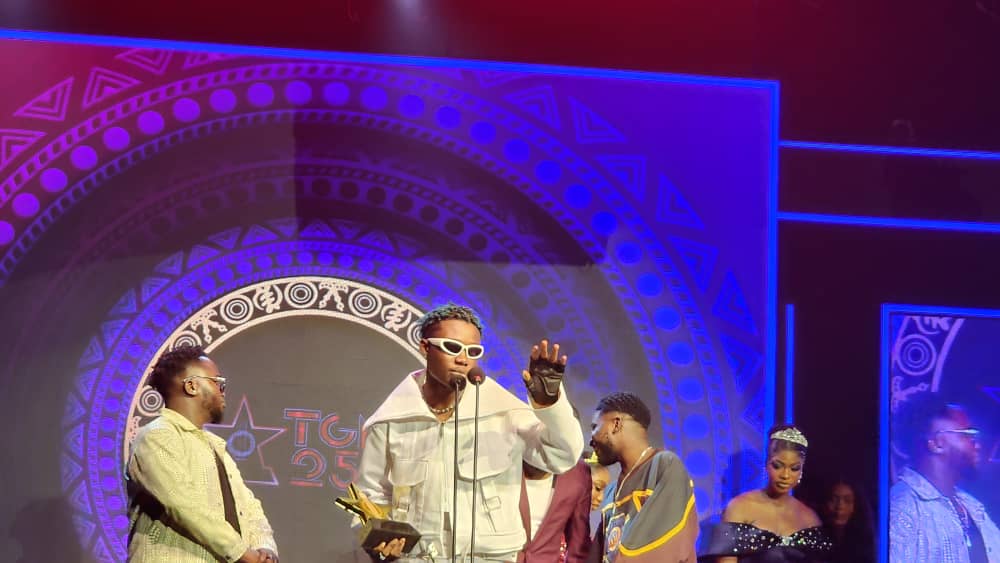
For weeks, the conversations had been noisy. Some labeled him a passing trend; others insisted he was the future of the new school. But as the envelopes were opened, the narrative shifted from debate to undeniable reality. Watching him step up to claim the award for his breakout hit, "Goodsin," felt less like a standard industry win and more like a definitive "arrival."
We have all been there: a song hits social media, it becomes an inescapable earworm, and for a few months, it feels like the anthem of the entire country. Usually, the artist behind such a phenomenon is expected to burn out just as quickly as they flared up.
"Goodsin" was different. It didn’t just chart; it became part of the cultural lexicon. Seeing it earn its place on the TGMA stage was a validation of that viral magic. It wasn’t just about the catchy chorus or the TikTok trends; it was about the fact that a young artist from Ghana had managed to capture the exact frequency of a nation’s mood and hold onto it.